

Large flower wall art has a special way of settling a room. It can turn a blank wall into the part of the space you remember, carry color across a wide sofa, or give a quiet bedroom a softer first and last view of the day. The challenge is not deciding whether you like a bold bloom. It is choosing a size that feels generous and intentional without making everything else in the room feel smaller.
The right piece does not need to fill every open inch. It needs to relate to the furniture, the light, and the distance from which you will actually see it. Use this guide to decide where larger floral artwork belongs, how much visual weight the room can hold, and which flower style will make the strongest focal point.
1. Start with the wall's job in the room
Before measuring, decide what the wall needs to do. A wall above a sofa often needs to anchor the seating area so the furniture feels connected rather than scattered. A bedroom wall may need a calmer, more personal presence. In a dining room, a larger floral piece can add warmth and conversation without asking you to crowd the table or sideboard with extra decor.
Large art works best when it is allowed to lead. If the room already has a patterned rug, busy shelving, or several strong colors, choose a floral composition with open space and a clear shape. If the room is mostly neutral, a fuller bouquet or deeper flower color can bring in the energy the space is missing. The goal is not more decoration. It is one clear place for the eye to land.
Try standing at the doorway and naming the first thing you want someone to notice. If the answer is the seating area, the bed, or the dining table, that is a strong cue that the wall above it can carry a larger floral piece.
2. Measure the furniture before you measure the wall
Furniture gives artwork its context. A large empty wall can make almost any print look small when you are shopping online, but a sofa, headboard, sideboard, or console gives you a more useful width to work with. Start there. A piece that visually spans much of the furniture beneath it usually feels grounded, while one that is too narrow can look like it drifted into the middle of the wall.
Leave breathing room at both ends. That empty space is not wasted. It helps the artwork read as a deliberate part of the composition instead of a backdrop that is trying to cover the entire room. For a long sofa or dining wall, a horizontal canvas or triptych often gives you the presence you want while keeping the image from feeling like one solid block.
If the furniture is low and wide, look for a wider piece or a group that creates a similar span. If you are working above a taller dresser or narrow console, a vertical floral composition may give the wall more lift without making the room feel crowded.

3. Match the art's visual weight to the room
Size is only part of the decision. A dark background, a tight crop of a flower, a dense bouquet, or a glossy surface can make artwork feel larger than its measurements. A pale watercolor wash, finer stems, and open background space can let a physically large piece feel softer. Think about visual weight as the difference between a bouquet that arrives in the room and a botanical detail that quietly unfolds as you get closer.
In a compact room, a larger piece with light around the flowers can be surprisingly easy to live with. It gives the wall a point of view without breaking it into many small, competing moments. In a generous room with high ceilings or dark paint, a more saturated floral composition can keep the art from disappearing into the architecture.
Look at the other large shapes in the room too. A broad sectional, a substantial wood dining table, or a tall upholstered headboard can comfortably support more visual weight. Slim furniture, airy open shelving, and small-scale lighting usually call for a floral piece with more quiet space around its subject.
4. Choose a flower style that suits the room's mood
Floral art can be romantic, graphic, relaxed, dramatic, or a little bit playful. When the artwork is large, that feeling becomes part of the whole room. Loose watercolor petals and gentle greens can soften a bedroom, reading corner, or living room with natural materials. A richly colored rose, peony, or strong floral silhouette can bring presence to a dining room, entryway, or wall that needs more character.
Pay attention to what you see from across the room. A large floral piece should have a shape that still reads at a distance. Up close, the brushwork, layered petals, and smaller details give people a second reason to stay with it. That balance is useful because it gives the room impact without making the artwork feel flat or merely decorative.
You do not need to match flower species to the room. Choose the mood instead. A light, open arrangement may make the space feel rested. A bolder bloom can make it feel gathered and alive. The best choice is the one that supports how you want to use the room, not the one that follows a rigid decorating rule.
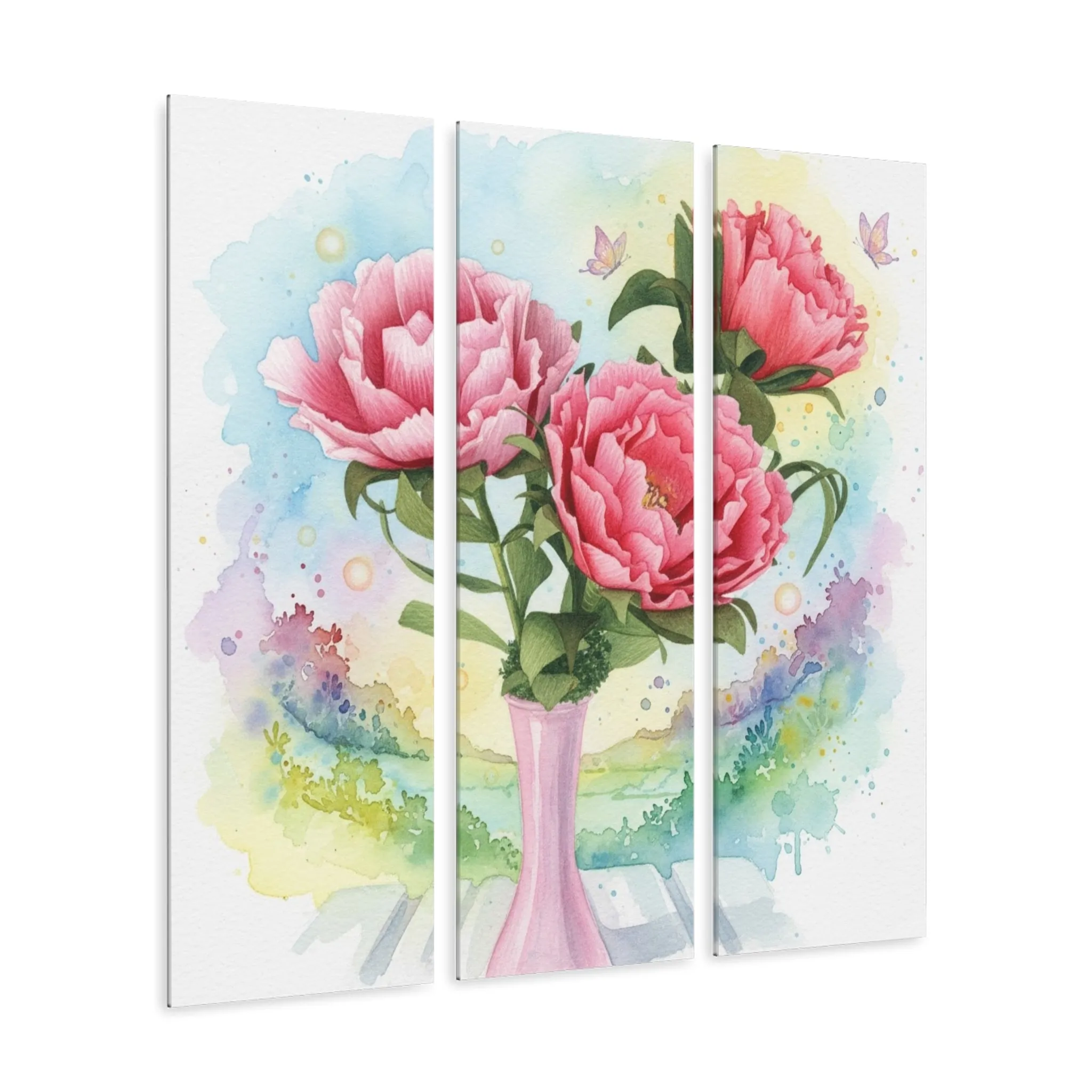
5. Let color connect, then let the flowers surprise you
Large flower wall art does not have to match the room exactly. Exact matching can make a room feel overly planned, especially when the art is meant to bring a personal note. Instead, look for one or two colors the piece can echo. A coral flower can relate to a pillow or ceramic vase. Soft green leaves can connect to plants, upholstery, or painted cabinetry. An ivory background can make the whole composition feel lighter.
After you find that connection, allow the artwork to introduce something new. A floral print with a warmer red, a cooler leaf green, or a hint of gold can keep the room from becoming too predictable. Those small differences give the art its role as a focal point. It should belong in the room, but it should also have something to say.
If you are torn between a quiet piece and a bold one, take a photograph of the wall and look at it later. A photo makes the surrounding colors easier to see as one composition. It can also help you notice whether the room needs a strong floral note or a gentler layer of detail.
6. Think about viewing distance and everyday light
Large art is usually seen from more than one place. From the doorway, you see its overall shape and color. From the sofa, bed, or dining chair, you begin to notice the details. Choose a floral piece that feels appealing from both distances. A strong arrangement with a clear center tends to carry well across the room, while smaller painterly details make it rewarding when you are closer.
Light matters just as much. Look at the wall during the part of the day when the room is most used. Morning sun may make pale petals feel bright and airy. Evening lamps may deepen reds, corals, and greens. A piece that looks beautiful in one product photograph should still suit the actual light, paint color, and furniture in your home.
When you are unsure, tape out the outer dimensions on the wall with painter's tape. Live with the outline for a day or two. Sit down, walk past it, and look from the main entry. That simple test can confirm whether the scale feels like a focal point or whether the room would benefit from a little more air around the artwork.

7. Give the piece room to breathe once it is hung
Large wall art has enough presence that it does not need a crowd of accessories competing beside it. Let the wall stay relatively calm. A lamp, a small plant, or a few objects on a console can support the composition, but the artwork should not have to fight through a collection of unrelated signs, shelves, or tiny frames.
Center the art with the furniture below it, not necessarily with the entire wall. This keeps the room balanced when a sofa sits off center, a doorway interrupts one side, or an architectural feature shifts the visual middle. The furniture is often what people read first, so the artwork should feel connected to that anchor.
For a softer look, choose a frame or finish that lets the flowers stay in charge. For a more tailored room, a crisp presentation can give a loose watercolor composition more structure. Either way, the large floral piece should look considered from the first glance and still feel easy to live with after the room has changed around it.
How Artisan's Studios can help you choose large flower wall art
Artisan's Studios creates floral wall art with a handmade point of view, shaped by Tim McGinley's attention to flower form, color, and layered detail. The collection includes large canvas pieces, luminous acrylic work, and floral prints in a range of orientations, so you can begin with the wall you have instead of forcing a room around one format.
Browse the floral canvas wall art collection for pieces made to hold a larger wall, or explore the full wall art collection to compare available formats. For a softer, painterly direction, the watercolor floral wall art collection is a useful place to start. When you are choosing for one particular room, contact the studio with the wall dimensions, a photo, and the colors already in the space.
Frequently asked questions
What size flower wall art works above a sofa?
Start with the width of the sofa, then choose a piece or grouping that feels connected to it while leaving visible room at each side. A wide floral canvas, triptych, or pair of related pieces can create the span a long sofa needs without covering the entire wall.
Can large floral wall art work in a small room?
Yes. One well-chosen large piece can make a small room feel calmer than several small decorations. Choose art with an open background, clear flower shapes, and enough quiet space around the blooms so the room still feels breathable.
Should large flower wall art match the room colors?
It does not need to match exactly. Look for one or two colors that connect to the room, then let the artwork introduce its own color and movement. A floral piece often feels most natural when it complements the space instead of repeating every shade already there.
Where should I hang a large floral print?
Large floral art works well above a sofa, bed, console, dining table, or in an entry with a generous uninterrupted wall. Choose the view you experience most often, then make sure the art relates to the furniture and sightlines around it.
Related posts

Related reading
How to Choose Floral Wall Art for Any Room
Use size, color, mood, and placement to find floral wall art that belongs in your space.
Related reading
How to Create a Floral Gallery Wall That Feels Collected
Build a floral gallery wall with an easy layout, a clear visual thread, and art that feels personal.
Related reading
Floral Wall Art for a Living Room: A Practical Guide
Choose floral wall art for a living room by balancing scale, color, light, and the way people gather there.
Related reading